Developed in partnership with Plathanus
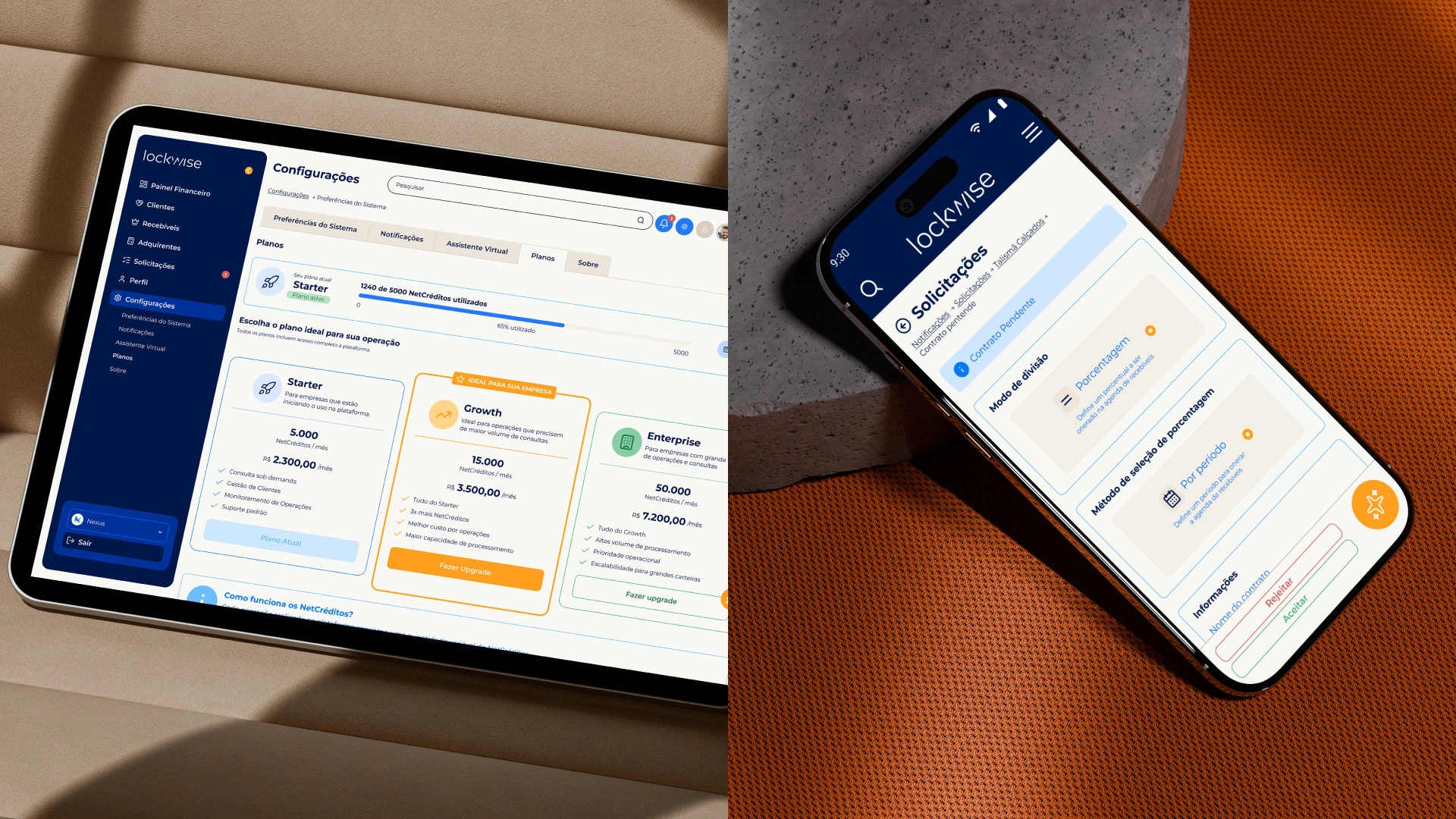
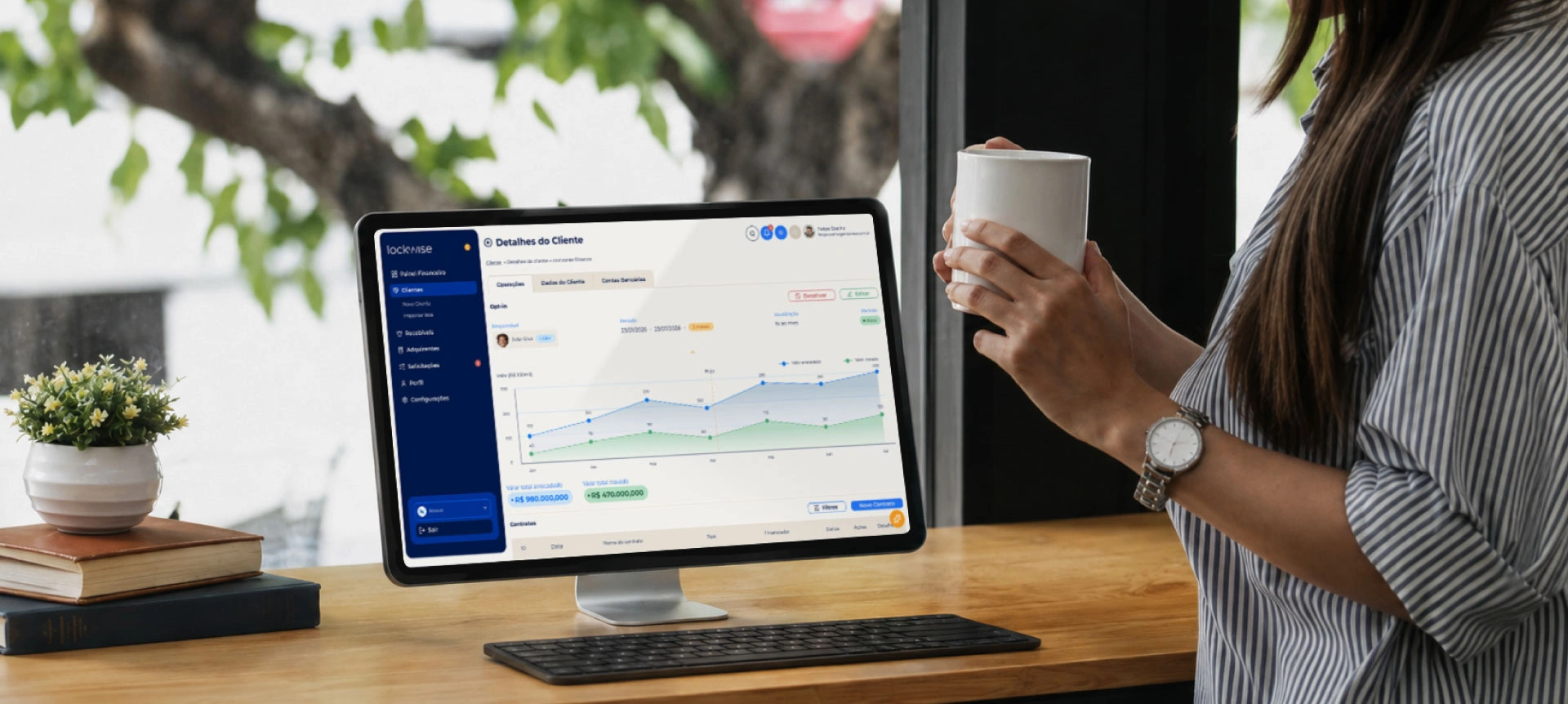
Lockwise is a payment institution and sub-acquirer operating in the financial and payments market, focused on B2B operations and installment sales. Its offerings include a payments platform, a payments API, supplier credit, and receivables lock — the system this project focused on.
The receivables lock system started as an MVP and did its job validating the operation. Growth was what exposed its limits: built without an upfront research phase or a designed experience, the product required constant hand-holding from the Lockwise team for clients to operate it safely. What was occasional support turned into dependency, and dependency became a ceiling on growth.
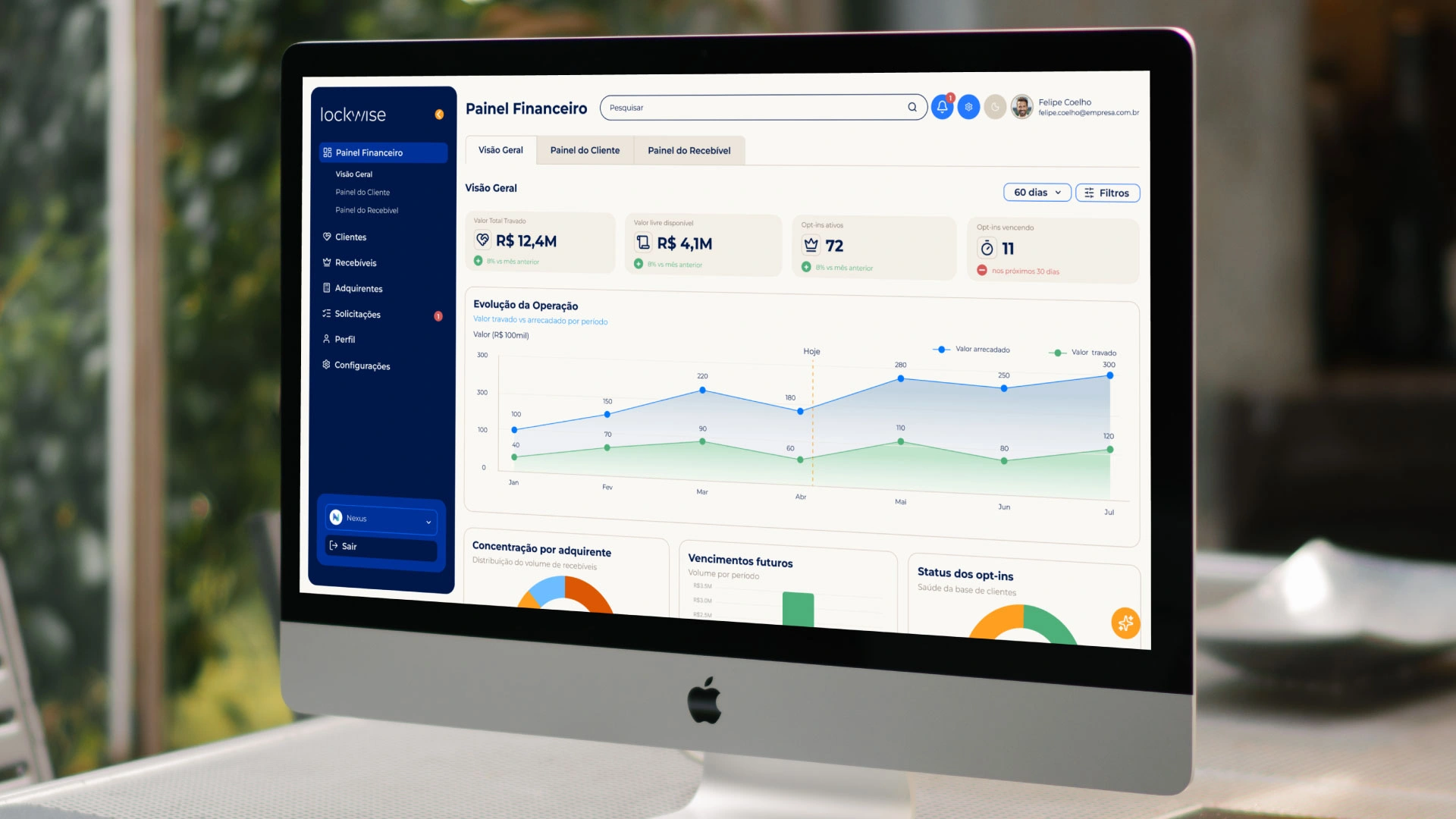
Lockwise had a system that worked, but only worked well with someone standing by to explain it. That limited the company's growth, left clients unsure when making decisions, and turned simple day-to-day tasks into back-and-forth with support. The challenge was to turn the MVP into a product: autonomous enough for users to operate on their own, and clear enough to support credit decisions.
I mapped the current system, the business rules, and the support workflow together with Lockwise's leadership, identifying which questions kept coming up and where in the journey they appeared.
I conducted interviews with Lockwise clients in different contexts: a receivables manager, a retail finance team, and a bank. From these, I built an empathy map and two personas, which revealed a decisive insight for the project: the person who decides on an operation and the person who executes it have completely different fears, paces, and needs within the same system.
I analyzed five players in the receivables lock and anticipation market, evaluating visual identity, brand voice, and positioning. I organized them into a quadrant study crossing exclusivity and specialization, which made it clear where Lockwise stands today and where it wants to go.
With the findings in hand, I aligned with leadership on which problems would be solved within the product, which depended on changes to business rules, and which would remain as strategic recommendations for after delivery.
I restructured the entire navigation flow and designed the profile and permissions model, separating what each type of user can view, request, and approve within the system.
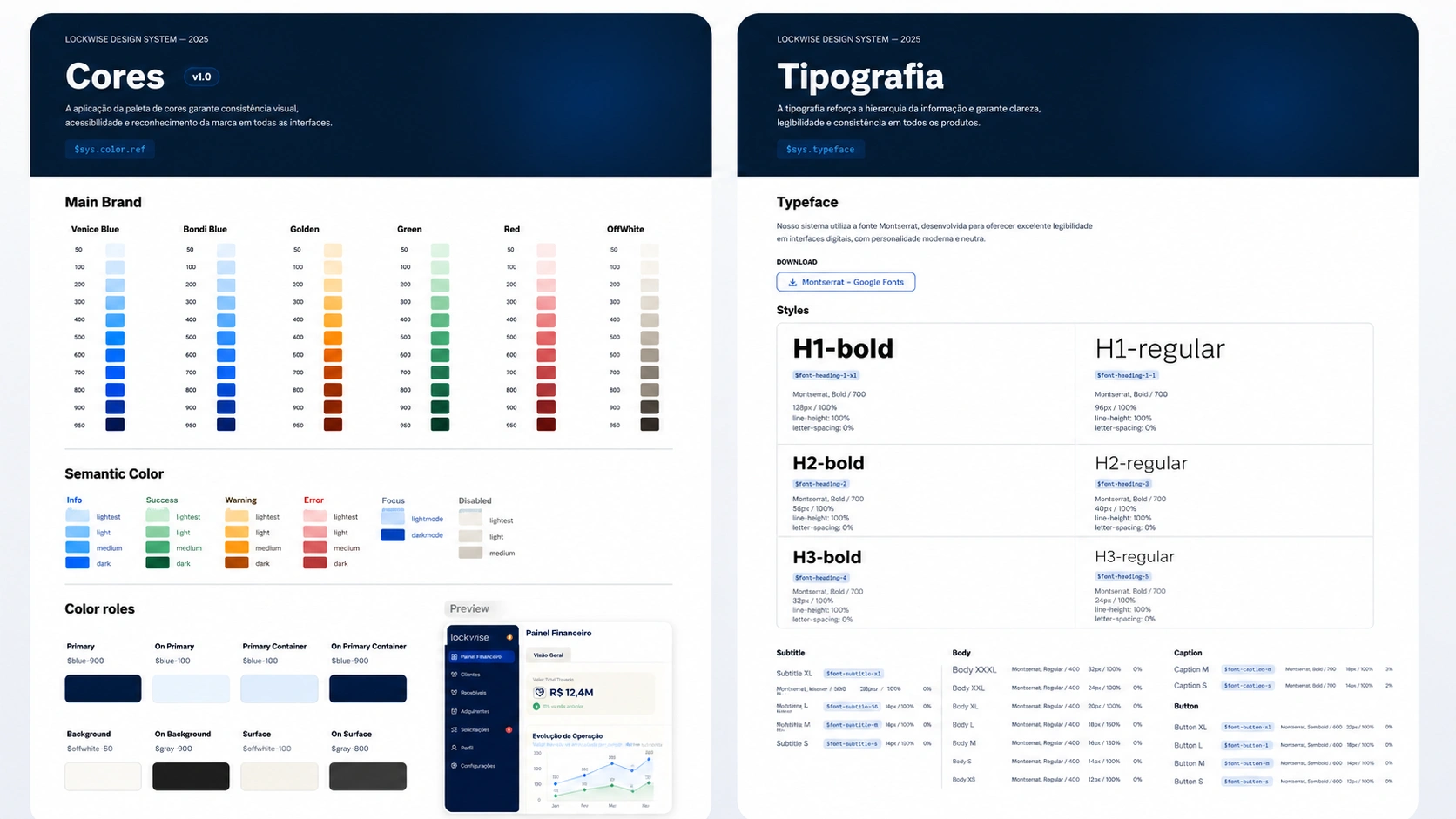
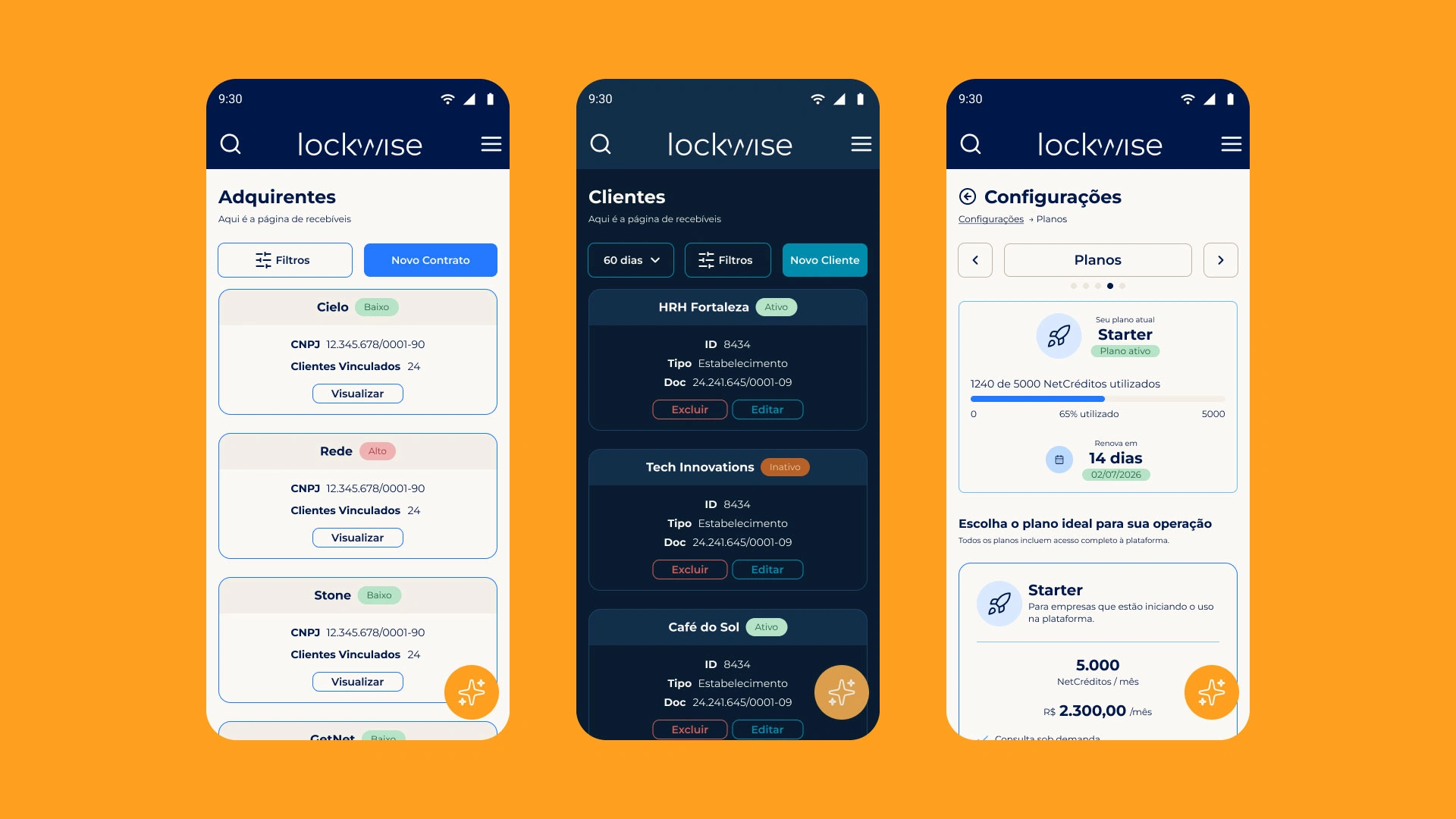
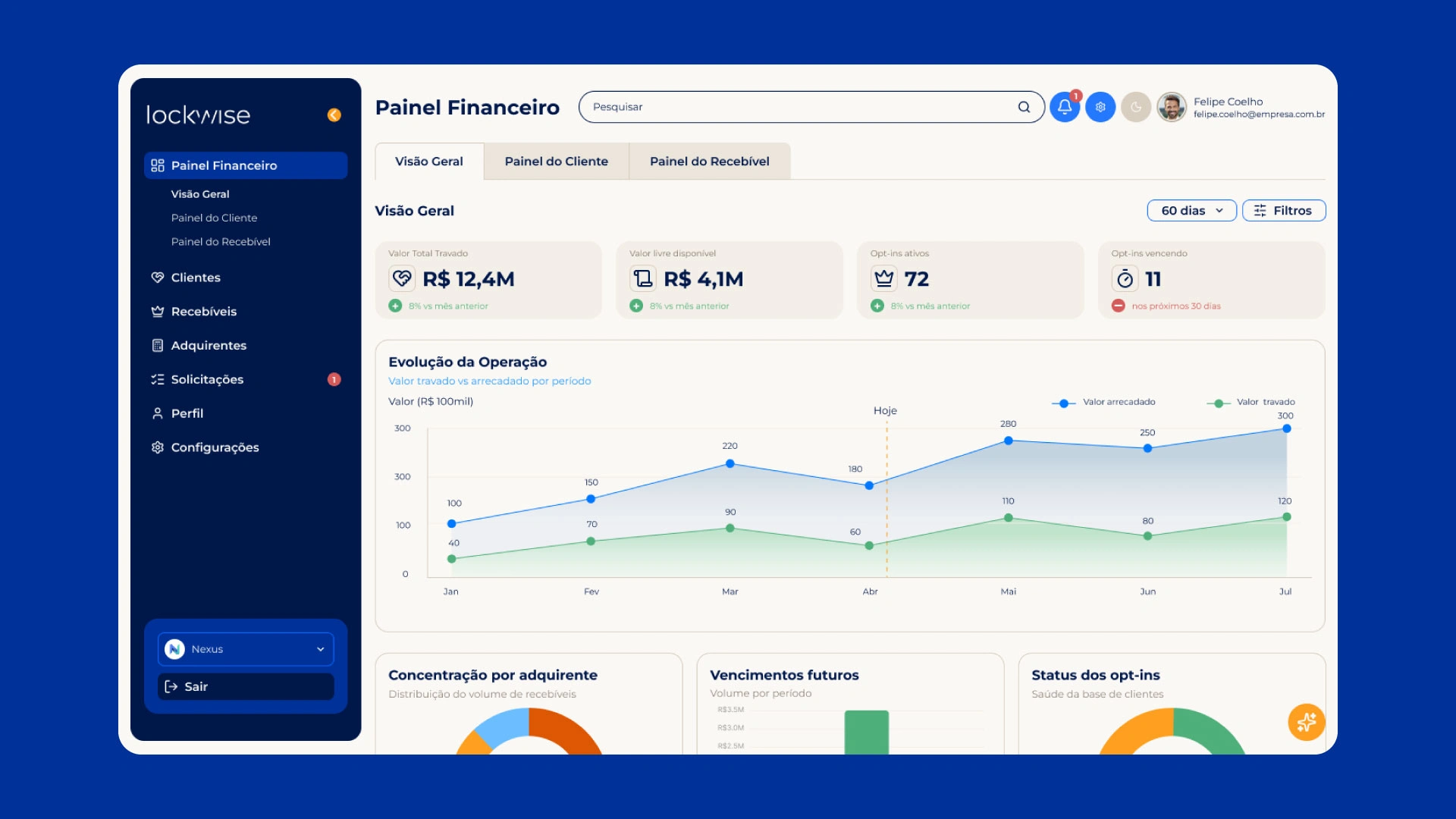
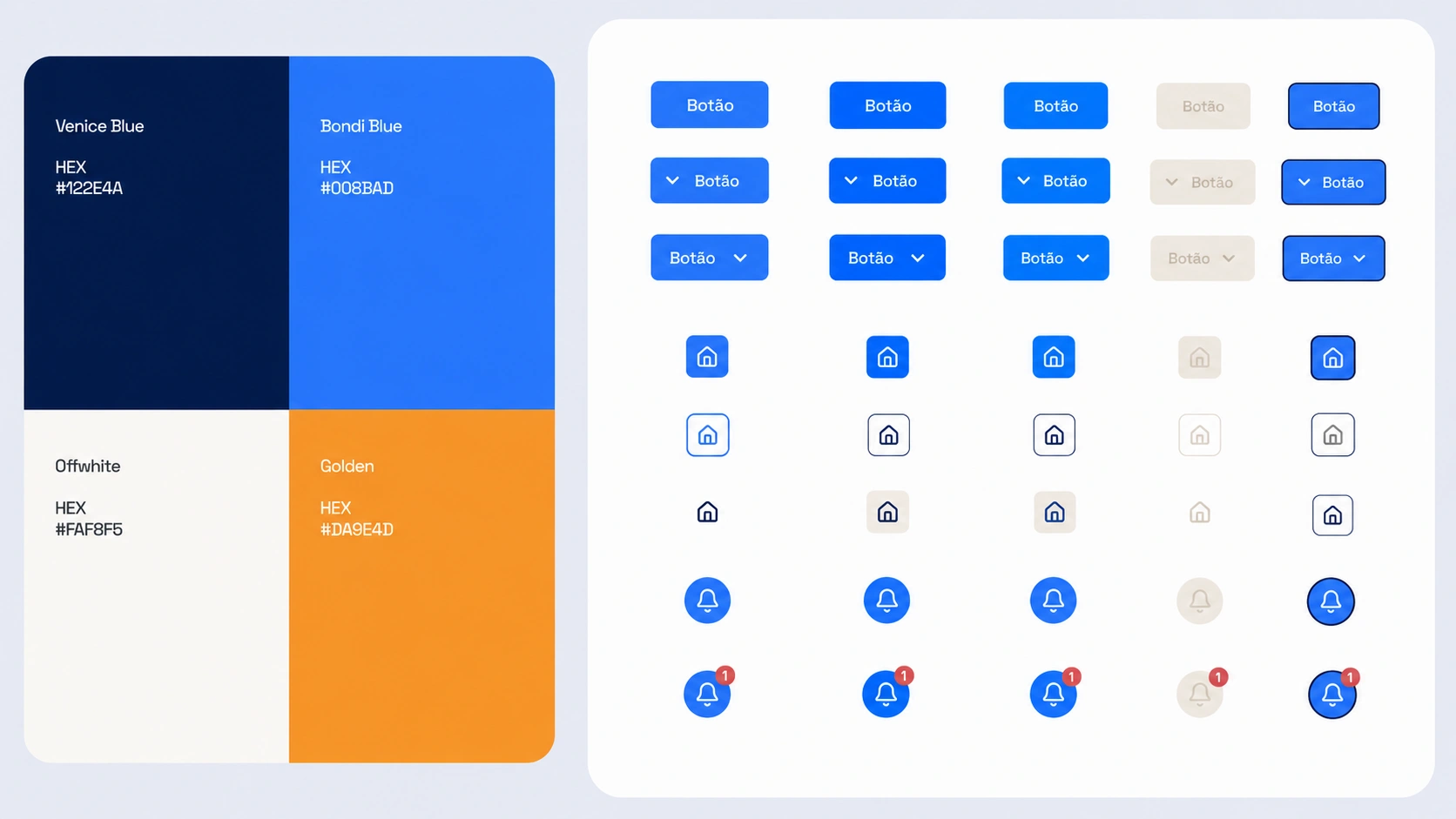
I created the design system and the high-fidelity prototype for every journey in Figma, including the new credit model, the AI-assisted support layer, and the complete redesign of data visualization.
reduction in the volume of tickets requiring human support.
less time to complete a query or lock request.
increase in capacity to onboard new clients without growing the team.
more cost predictability for the client before executing an operation.
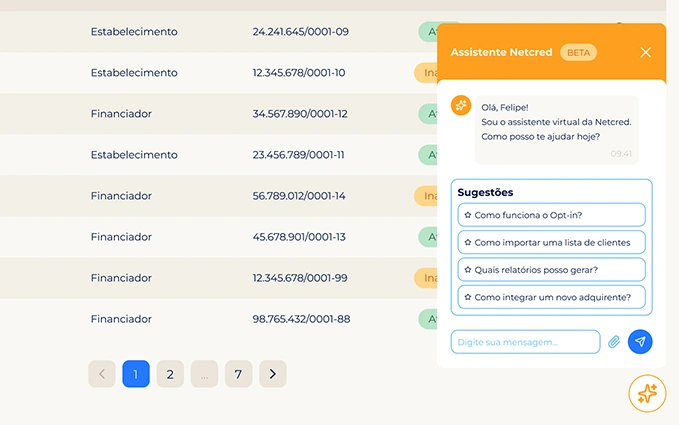
We built a support layer trained on the operation's most recurring questions, right inside the system. Human support still exists, but only steps in when a question genuinely needs a specialist. This frees the team to focus on what's complex, and growing the client base no longer depends on growing the support team.
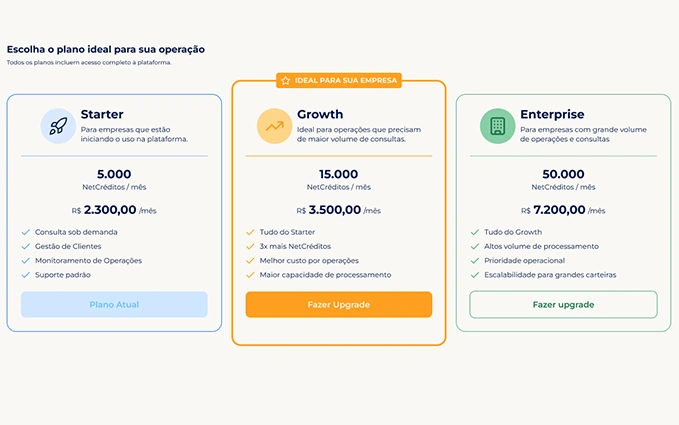
We rethought monetization together with Lockwise, moving from a flat monthly fee to a credit-based model. Every query and every lock now consumes an amount proportional to its real cost, distributed across three plan tiers, with additional packages available when credits run out. Revenue no longer drifts away from the actual cost of the operation, which is what made some contracts unprofitable.
We were hired to turn the MVP into a product, but the market study made it clear that the positioning Lockwise wanted couldn't rest on the interface alone. A more mature product doesn't sit well alongside communication that's still speaking from somewhere else.
So alongside the project, we delivered a set of recommendations for afterward: a website redesign with a pricing page, an adjusted slogan and tagline, a channel strategy, and a structured sales funnel. None of it was in scope, but all of it needs to align with what was built for the shift in perception to actually happen.
Complete project documentation in Figma: discovery, interviews and empathy map, personas, market research and quadrant study, information architecture, new navigation flow, style guide with a full design system, every component and its behavior, and high-fidelity prototyping ready for development.
Whether you want to launch a business with a strong presence or take your company to the next level, I can help. For a one-off project or an ongoing partnership, click below and let's talk — I'm confident I can add real value to your team!
GET IN TOUCH